

A 24-hour plumber in Midrand is a service that answers, dispatches and arrives outside business hours — and not every "24/7" sign delivers all three. In 2026, after-hours emergency call-outs in Midrand run R600–R1,300/hr, and a credible response time inside the Midrand node is 45 to 90 minutes. I'm Mike Fleming — 18 years in the plumbing trade, 17 of them in Midrand, 1,670+ jobs done — and I've answered plenty of 2 AM calls, from both sides of the phone. This guide shows what a real 24-hour service looks like from the inside, what it costs, and exactly what to do in the first ten minutes of a burst pipe.
Written by Mike Fleming — 18 years in the plumbing trade, 17 of them working in Midrand. 1,670+ jobs completed, 21+ estate projects. Reviewed and approved by the midrandplumbers.co.za admin team · checked against the PIRB register, SANS 10400‑H and City of Johannesburg water regulations on 8 October 2026. Independently operated directory — no affiliation with listed providers.
What "24/7" actually has to mean
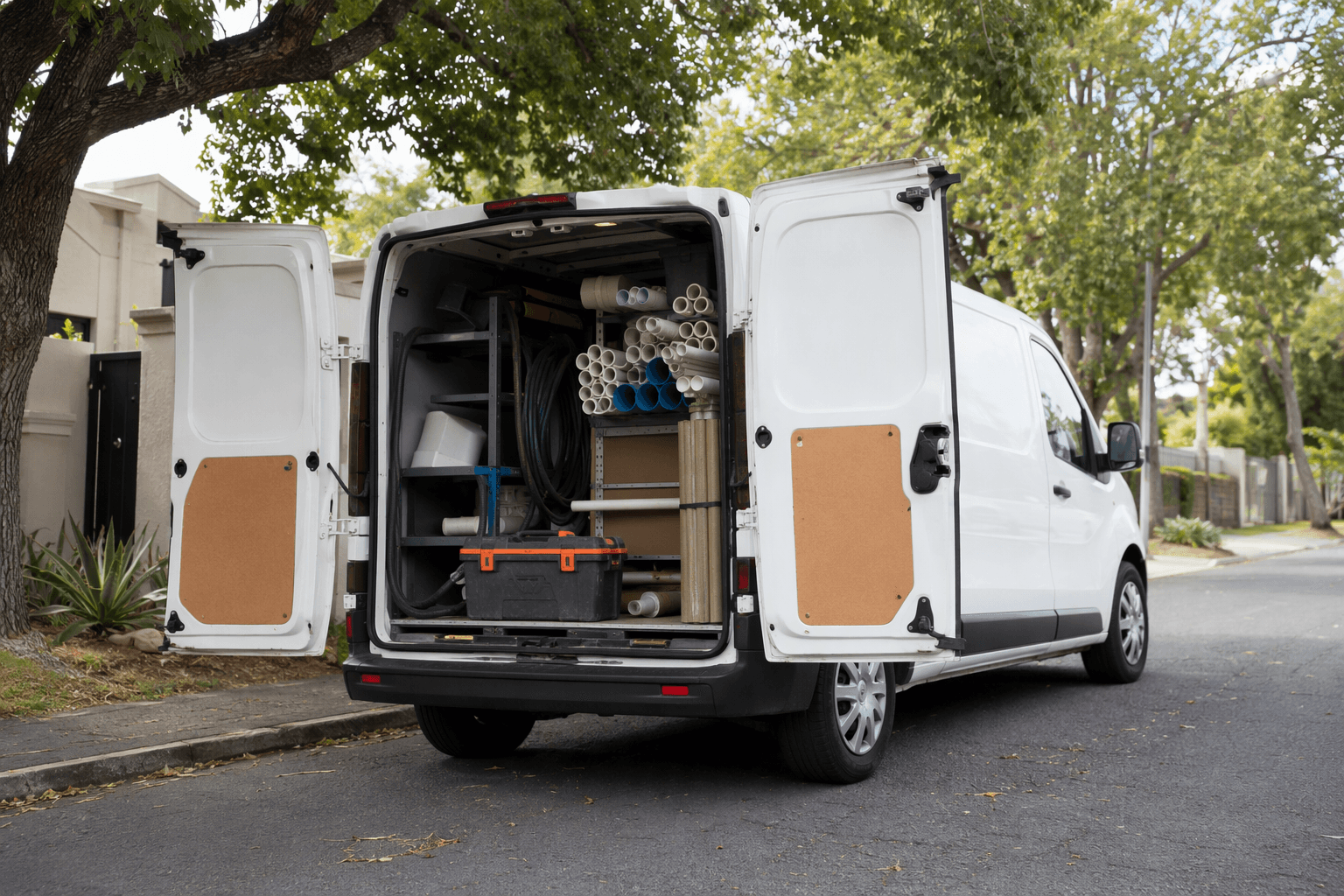
A genuine 24-hour service is three layers, and most local plumbers only deliver one. Layer one: answering. A human picks up at 2 AM — or, at minimum, a monitored line that triggers a real callback within the hour, not a voicemail that gets checked at 8. Layer two: dispatching. There is an actual plumber on call tonight, in a van, stocked with parts, who can be in your area within the hour. Layer three: fixing. The van carries the common parts — stopcocks, joints, flappers, flexis, a geyser element — so the night visit repairs rather than diagnoses and sends you home to wait for morning.
In 18 years I've sent clients to services that answered brilliantly and dispatched nothing, and I've watched "24/7" businesses close their books at 4. The fix is to ask the three questions before you need them at 2 AM: who answers, who comes, and what's in the van? A provider who can answer all three in two sentences is your shortlist. If the answer to any of them is "we'll see," they don't have a service — they have a sign.
Response times you should expect in Midrand
The Midrand node is compact, and that works in your favour at night:
| From a base in... | Realistic night response |
|---|---|
| Halfway House / Glen Austin (centre) | 30–60 min to most of Midrand |
| Vorna Valley / Kyalami (north-east) | 30–60 min to Kyalami, Vorna, 45–90 to Blue Hills |
| Randjespark / Blue Hills (south-west) | 30–60 min to the south-west node, 45–90 to Kyalami |
| Randfontein (west) | 30–45 min local, 60–90 into Midrand proper |
Two honest rules from the trade. First, a provider promising "30 minutes anywhere in Midrand at 2 AM" is either based dead-centre or selling you a number. Second — and this is the one I check first — ask how they dispatch at night. A real 24-hour operation has a named on-call plumber or a rotation schedule; a fake one has "it depends who's free." Distance on a map means nothing; dispatch discipline is the whole job.
What 24-hour plumbing costs in Midrand (2026)
After-hours rates are a 2026 market reality, and the directory's published rates give you the real band:
| Item | Typical 2026 price (Midrand) |
|---|---|
| Emergency call-out (night/weekend), hourly | R600 – R1,300/hr |
| After-hours labour premium on top of day rate | Common; ask before dispatch |
| Parts | Charged at cost or marked up — ask which |
| Simple night fix (flapper, stopcock, small joint) | Usually R1,500 – R3,500 all-in |
| Major night job (burst main, geyser flood) | R3,500 – R8,000+ depending on damage |
My honest take: you should pay the night premium — someone left a warm bed to be in your kitchen at 2 AM — but you should agree the rate before the van moves. "What's the hourly, do you add a night premium, and are parts at cost or marked up?" costs you sixty seconds and prevents the only argument that matters in this trade. If the job isn't a true emergency (no water running, no damage building), ask whether a morning booking at the day rate is an option — a good 24-hour service will tell you that plainly, and a bad one won't. Full cost context is in our plumbing costs in Midrand guide.
The first ten minutes of a burst: do this before the call
The people who save the most money in an emergency are the ones who act before they dial. In order:
- Find and close the main stopcock. It's usually under the kitchen sink, at the meter pedestal at the boundary, or on the garden tap. If it's seized, don't force it with a pipe wrench you'll need later — close what you can and tell the plumber exactly which taps still run.
- Kill the geyser at the board if water is anywhere near it or hot water is involved — flip the geyser's breaker, not just the tap.
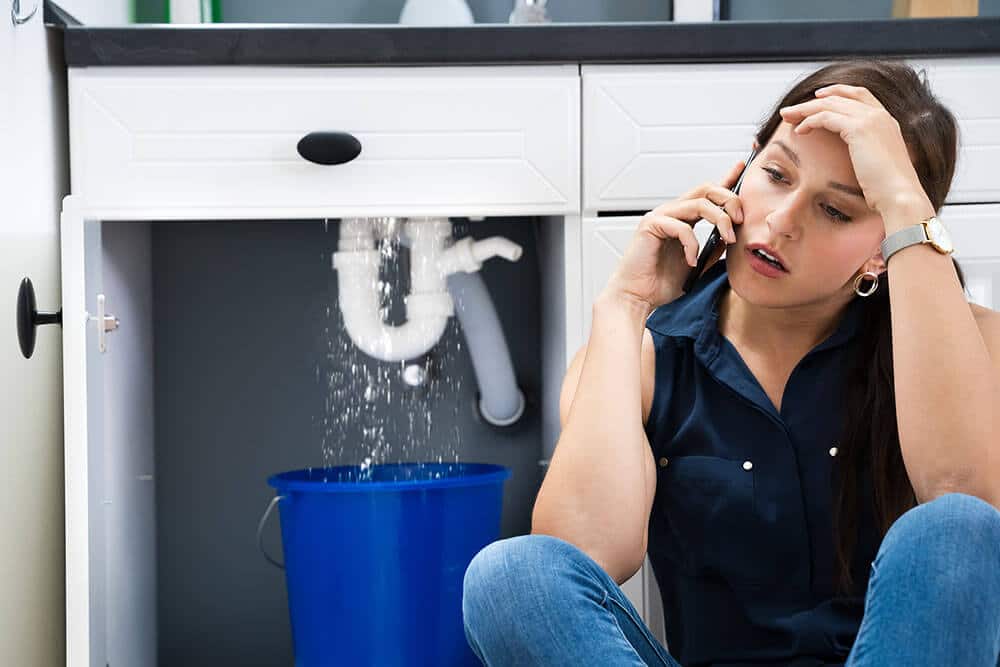
- Contain what you can. Buckets, towels, a bath plug. Ten minutes of this has saved people five figures of ceiling damage.
- Read the meter and take two photos of the worst of it. The meter reading tells the plumber how hard the leak is running; the photos are your insurance record and your claim file.
- Then call, and say: your area, cold or hot or both, where the water is coming from, whether you've closed the main, and whether the property is gated with what access. That script cuts a night visit in half, and a well-briefed plumber packs the right van.
If water is still running after the stopcock, that's a mains-side failure — the plumber will say so on the phone, and the City of Johannesburg fault line is your second call.
Case study: a 02:00 geyser manifold, Halfway House
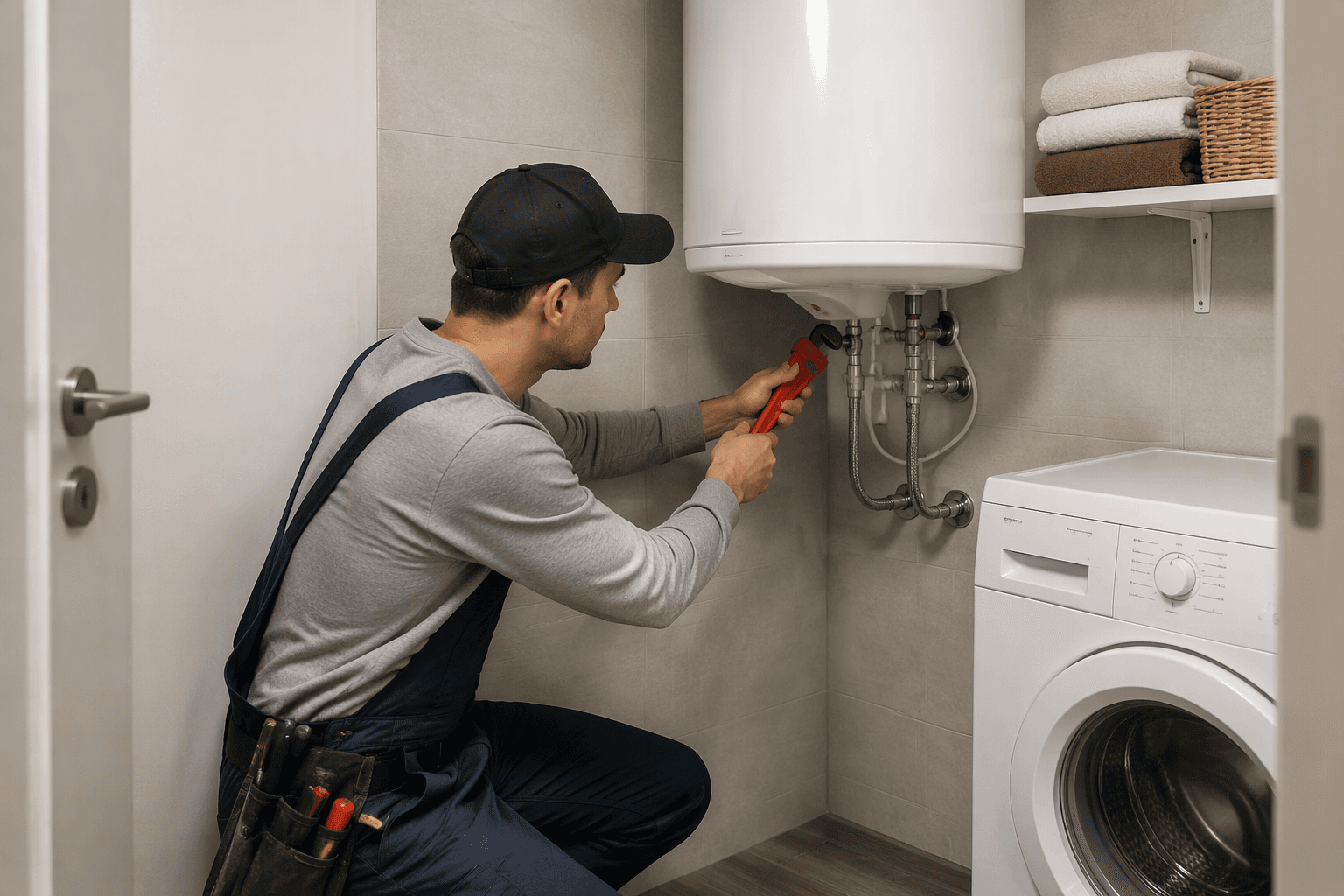
A Halfway House home rang out at 02:00 when a geyser manifold joint failed — hot water across the ceiling and into the study below. The owner did the sequence right: geyser breaker off, main stopcock closed, bucket under the drip. The on-call plumber, based in Glen Austin, was on the doorstep in 55 minutes. The van carried the manifold fittings, so the joint was replaced on the first visit; the ceiling was dried and sealed, and the geyser was pressure-tested before he left. Total: R3,900 including parts, done by 05:00.
What it avoided: a hot-water flood running through the night into the floor below is a R15,000–R30,000 ceiling-and-floor job in most cases I've seen. The 55-minute response and the stocked van were the entire difference — which is exactly why those two questions matter.
How to vet a 24-hour service in five questions
Ask these now, when you're calm, and keep the answers on your phone:
- Who answers at 2 AM — a person, or a service that calls back? (Both can be good; "a machine" is not.)
- Who comes — the owner, a scheduled on-call plumber, or whoever's free? A rotation schedule is the professional answer.
- What's your honest response time from my area, at night? Push for a number tied to your suburb, not a slogan.
- What's the night rate, and do we agree it before you dispatch? If "it depends" is the answer, it depends on the mood.
- Do you carry common parts in the van, or is night one a diagnosis? A fix-first stock list is the mark of a real 24-hour operation.
A provider who answers all five in under two minutes is worth saving. One who wobbles on questions two or five will wobble on you at 2 AM.
Who offers 24-hour service around Midrand
The Midrand plumbers directory marks which providers run 24/7 and lists their published emergency rates, so you can compare the band before you need it — several carry the Emergency service tag with rates from R600/hr, and a few advertise same-night response across the node. My advice is to shortlist two 24-hour providers now: one you'd call first, one backup if the first doesn't answer in twenty minutes. That pair, plus the ten-minute sequence above, is about as prepared as a Midrand household gets for a 2 AM burst. One more practical point: keep both numbers saved in your phone, not just on this page — at 2 AM you won't be calm enough to search. And if a shortlisted provider's published rate line changes later, the change is visible to everyone, which is a quiet form of accountability worth something. For the full emergency playbook, see our emergency plumber guide for Midrand; for choosing your everyday plumber, the plumber near me guide applies the same discipline to daylight hours.
Prepared beats lucky. Save this page, do the five-question vetting this weekend, and the next burst becomes a billing conversation instead of a panic.