
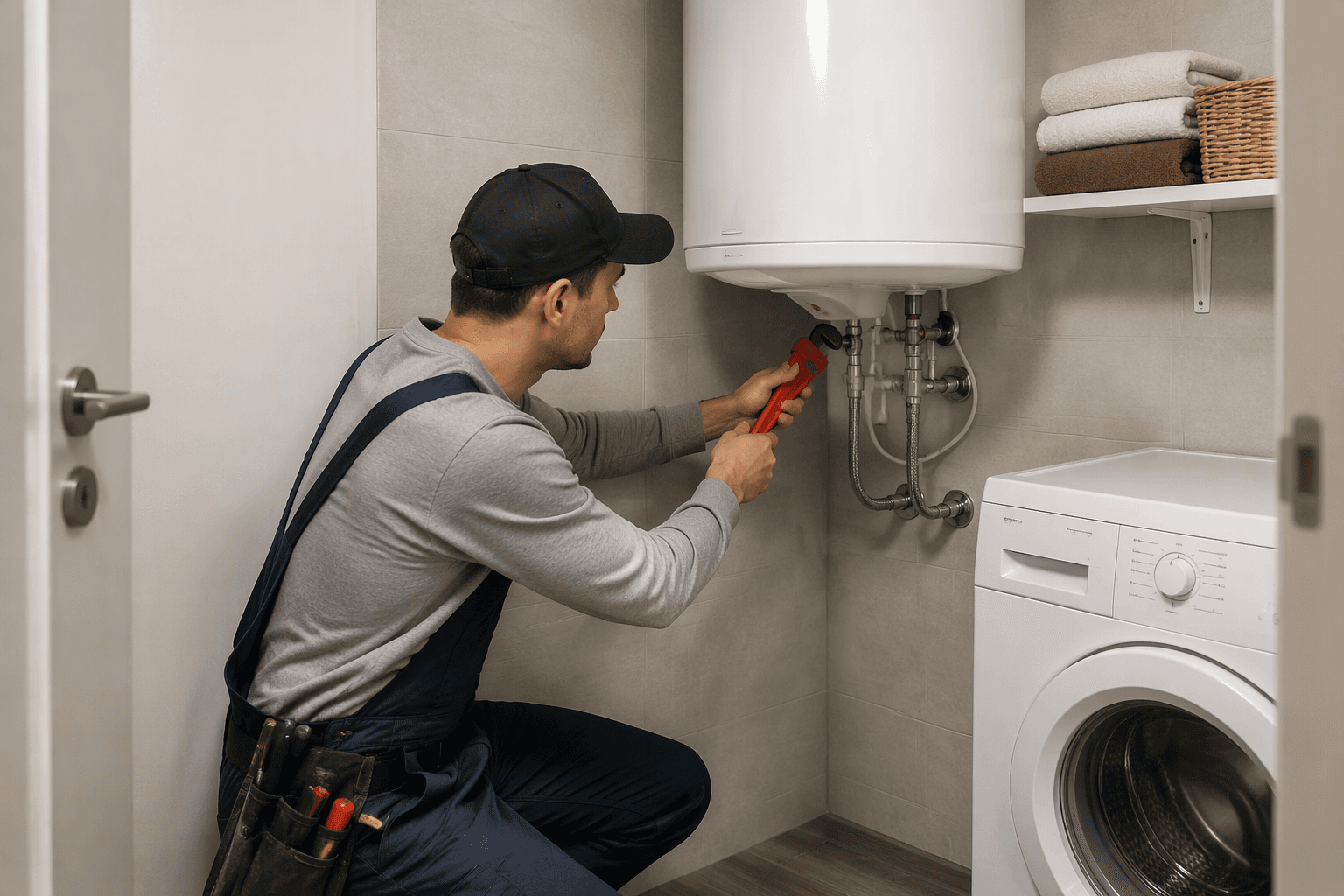
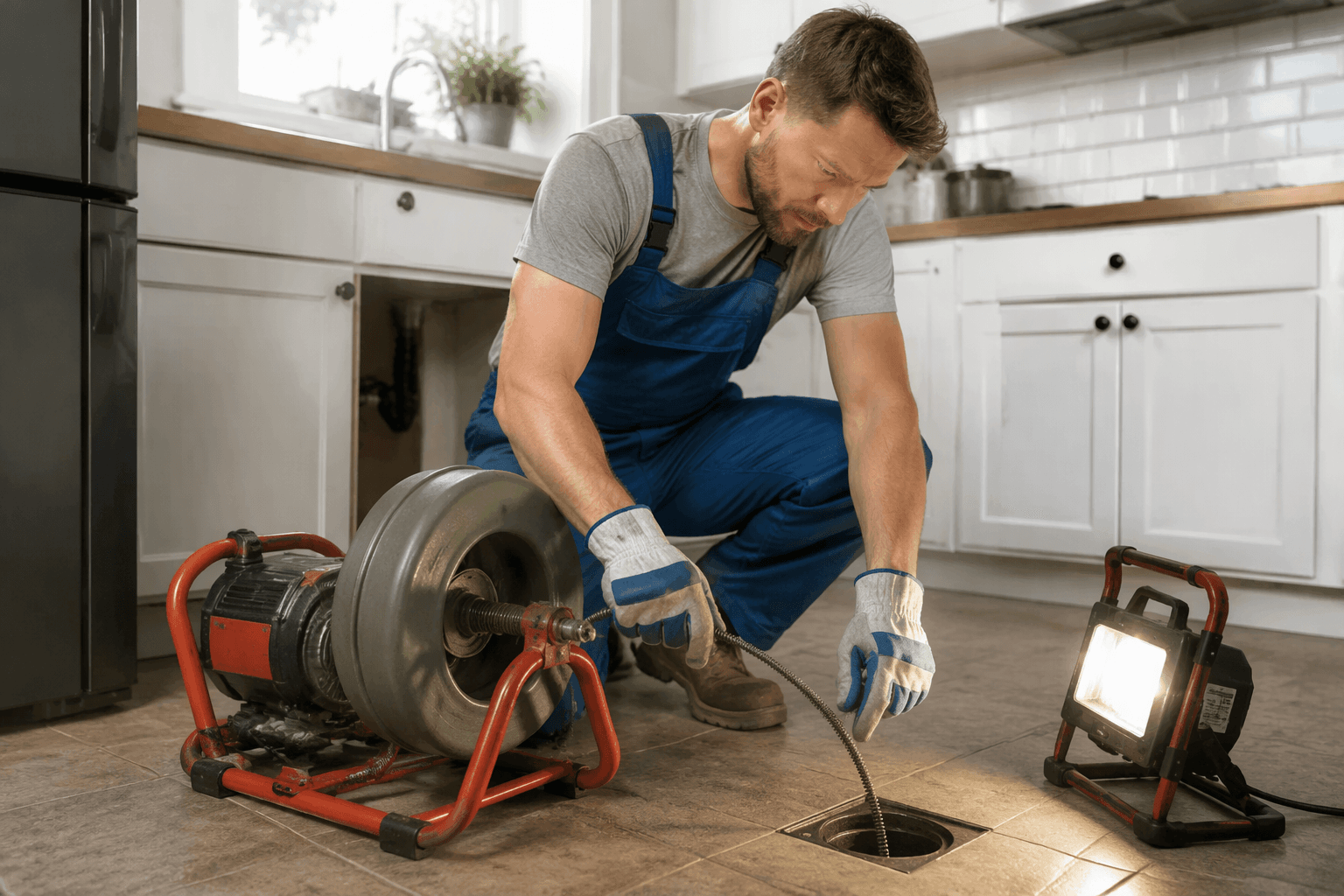
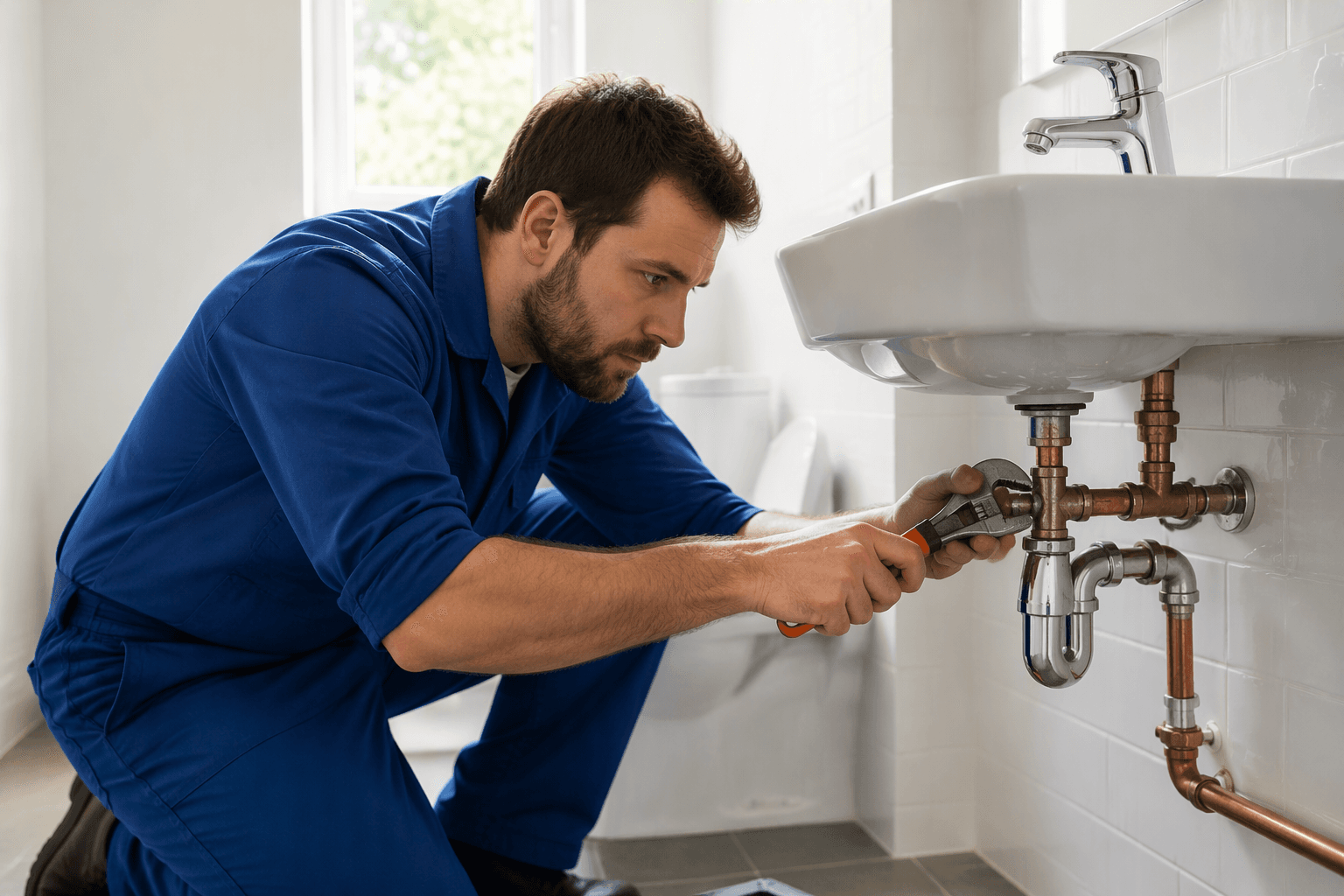


Everyone searching "cheap plumbers near me" in Midrand wants the same thing: a fair price without a job that comes back. After 18 years in the trade and 1,670+ jobs across Midrand, my honest position is that cheap plumbing here is not about finding the lowest rate — it's about not paying for the wrong things. Below is the real 2026 price picture, the five places where the savings actually live, and the specific signs that a quote is cheaper than it should be.
Written by Mike Fleming — 18 years in the plumbing trade, 17 of them working in Midrand. 1,670+ jobs completed, 21+ estate projects. Reviewed and approved by the midrandplumbers.co.za admin team · checked against the PIRB register, SANS 10400‑H and City of Johannesburg water regulations on 8 October 2026. Independently operated directory — no affiliation with listed providers.
What "cheap" should actually cost in Midrand (2026)
You can't find a fair price without knowing the band. These are the 2026 market rates compiled from provider-published prices in our directory, cross-checked against 18 years of my own job history:
| Service | Fair 2026 band (Midrand) | Where "cheap" lives |
|---|---|---|
| Hourly rate (daytime) | R400 – R900/hr | Bottom third, if the rest checks out |
| Emergency call-out (night/weekend) | R600 – R1,300/hr | Daytime booking instead (see below) |
| Simple fixes (tap, flapper, cistern) | R500 – R1,500 all-in | R500–R800 is normal and fine |
| Leak detection | From R600/hr | Worth every rand — see the savings list |
| Blocked drain | R500 – R1,500 | R500–R800 for a straightforward clear |
| Geyser element/thermostat | R3,500 – R4,500 | Rarely — parts are the bulk of the cost |
| Geyser replacement | R5,000 – R15,000 unit + labour | The unit spec, not the plumber, moves this |
Now the part most price guides won't say: below R250–R300/hr in 2026 Midrand, a rate isn't cheap, it's unsustainable. Petrol, van, a SABS-grade part with a margin, insurance and a working life have to come from somewhere in that chain. When the rate can't carry them, one of three things gets cut: the part's spec, the test before sign-off, or the comeback. You're the one who eats the difference — usually at a higher price, because the second plumber is fixing the first plumber's corner. Price is information. A rate 40% under the band is telling you exactly what you're about to get.
Where the real savings are (without cutting corners)
These are the five moves that reliably cut a Midrand plumbing bill, and I'd make all five on my own house:
- Diagnose before you dispatch. A ten-minute night meter test separates "I need a detection specialist" from "I need a flapper" — and the difference between those two invoices is R3,000+. The cheapest call-out is the one you didn't make.
- Book in the day, not the night. Weekend and after-hours work carries the R600–R1,300/hr band. A geyser acting up on a Thursday? Book Friday morning at the day rate. Same fix, often half the invoice — this is single-handedly the biggest saving available to a Midrand homeowner.
- Take fixed quotes for defined scopes. Hourly work is honest for genuinely unknown jobs and expensive for predictable ones. A bathroom wet area or a geyser swap has a known scope: insist on the fixed number, with parts named.
- Right-spec the parts. A top-tier branded fitting on a toilet cistern is money you'll never use; the same money on a geyser manifold is money you'll thank yourself for. SABS-certified ([NRCS]-approved) is the floor, not the target — ask what spec is proposed and why.
- Bundle related work into one visit. The call-out, the access and the setup are paid once. Two taps, a flapper and a leaking hose in one visit instead of three saves two call-outs, and the plumber gets it done properly in one pass.
None of these requires a discount code or a bargaining call. They're just not paying for the wrong things — which is the whole game.
The "too cheap" red flags, and what they usually mean
From the trade's side of the counter, here's what each one actually predicts:
- A rate far below the band with "parts included." The part is unbranded, or the "included" part is the one that fails in month three. Ask for the brand in writing; watch what happens.
- "We'll start, then tell you the price." This is not a pricing model, it's a leverage move. The moment you've exposed pipes, your negotiating position is on the floor.
- No PIRB number when asked. The registration is public and free to check. A provider who can't or won't name it is telling you their supply-connection work has no paper trail — which is exactly where the City of Johannesburg and your insurer will look.
- Cash only, no invoice, no warranty stated. You're not saving money; you're prepaying for the possibility of a comeback with no recourse.
- A quote that gets bigger every time you ask about one detail. A fixed scope shouldn't move. When you ask about the part brand and the price rises, you've found the margin you were promised as a discount.
- The "cheap" option is the only option that won't give a written quote. Compare written things with each other, or you're not comparing anything.
One more, softer flag: a price that's fine but a conversation that's evasive on who's coming, what's included, and what the warranty is. Cheap is a price question; unanswerable is a person question. I've lost more clients to the second than the first.
Case study: two quotes, one blocked main, Glen Austin
A Glen Austin home had a blocked main drain — the classic slow sink that turns into a bathroom backup. Two quotes arrived the same week. Quote A: R450 "to have a look and clear it." The visit found a root breach in the pipe, the fix escalated on site, the final bill landed near R2,300, and the block returned within a month because the breach was dressed, not repaired. Quote B: R1,100 fixed for camera inspection plus the clear, with the root breach flagged up front and a recommendation to budget a section replacement separately. The clear held for months; when the replacement was finally budgeted, it went to a registered plumber as a planned, quoted job.
Total cost of Quote A's path: R2,300 + the month of living around a backup + the replacement. Total cost of Quote B's path: R1,100 + a planned, known-cost replacement. The "cheap" option was more than double.
What I tell clients when they ask "can you do it cheaper?"
I've been asked this a thousand times, and I've never once regretted the same answer: price is negotiable; spec is not. If the job allows it, I'll find the saving — right-spec a part the money isn't needed on, move the booking to a cheaper slot, bundle it with work already scheduled, or tighten the scope honestly. What I won't do is quote a material below the spec the job needs, skip the pressure test before I pack up, or hand over work I wouldn't put my name to. The clients who understood that distinction never called twice; the ones who wanted the cheaper number called twice, at the worse price. If a plumber's "cheaper" answer involves silently removing a test or an unnamed part, that's not a discount — that's the invoice with the date changed.
Fair, not cheap, is the goal. The full rate guide with what drives prices up and down is in our plumber prices guide for Midrand, and the whole cost landscape is in plumbing costs in Midrand.
Where to compare prices fairly
The only fair price comparison in Midrand happens against published numbers, and the directory is where they live: 44 providers, each with the rate lines that exist — provider-published where the business committed to a number, market-estimate where the directory compiled the local band. Filter by your job, keep the providers with published rates, and send the comparison message from our plumbers near me guide to your final two or three. You'll finish with a written quote inside the fair band — which, in 2026 Midrand, is the cheapest plumbing you can get. The published-rates comparison also does something no phone call does: it makes the unfair quotes visible. When three of four shortlisted providers publish the same R600–R1,300 emergency band, the one quoting R350 for a night call-out stands out the way it should — and you'll ask the right question about what that number actually includes. A fair price, found by comparison, costs less in the end than a cheap price, found by hope.