









Quick answer: A plumber in Midrand offers the full residential and light-commercial range - geyser repair and replacement, blocked drains, burst pipes, taps, toilets, wet-area plumbing, leak detection and COCs. Published 2026 benchmarks: R400-R900/hour (average around R600), emergency call-outs R600-R1,300/hour, geyser repair R3,500-R4,500. Only a PIRB-registered plumber can issue a valid COC.
"Plumber Midrand" is what you type when something is wrong with the water in your house and you need a specific human being at your gate in under an hour. This page is the other side of that search: what a plumber in Midrand actually does, what a call-out looks like from booking to invoice, and how to get the most from the visit - whether the job is a R500 tap washer or a R15,000 geyser replacement.
What a Midrand plumber covers
Plumbing is a controlled trade in South Africa, and the directory's businesses operate across the full range, grouped the way the call-outs actually arrive:
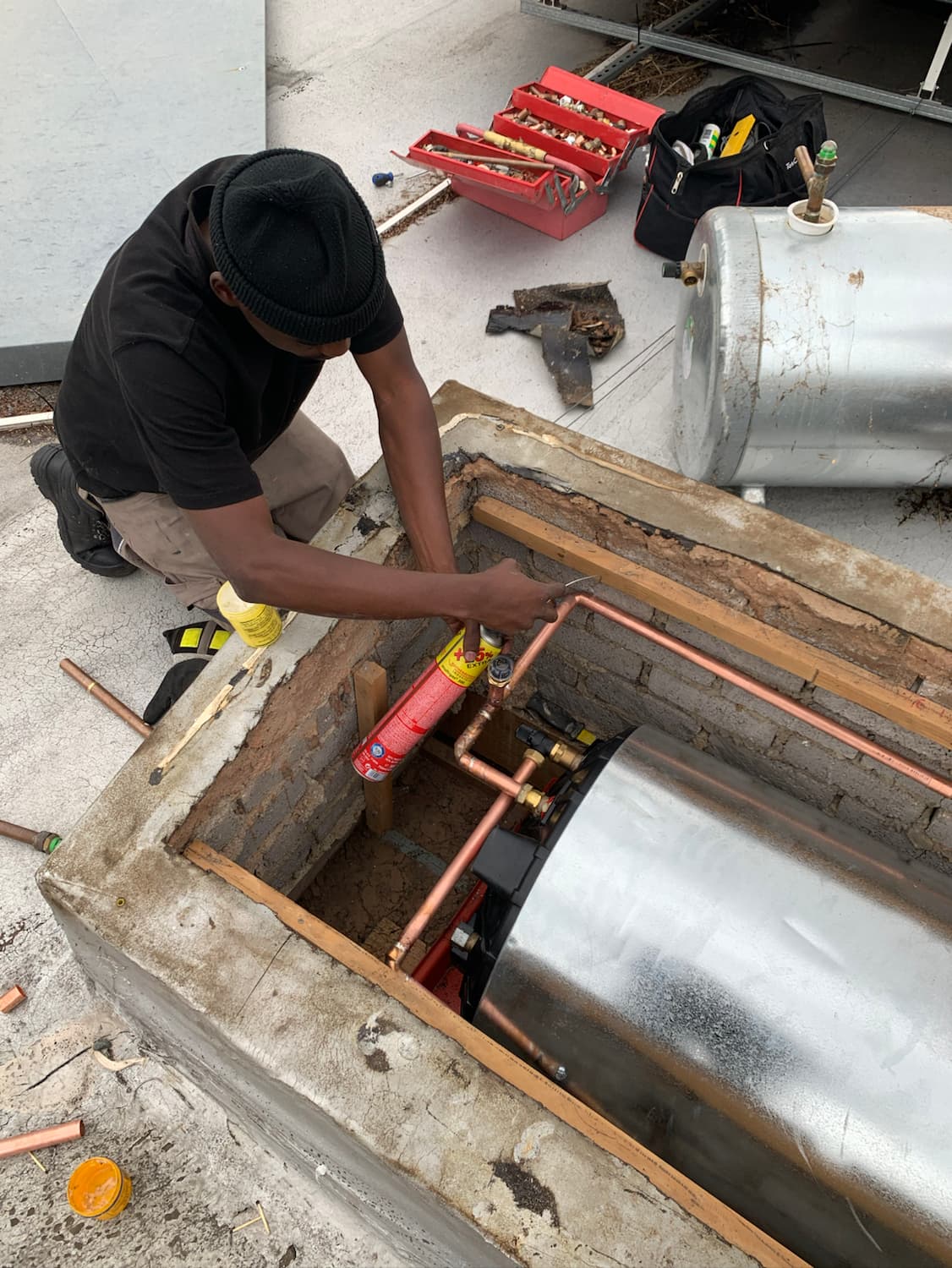
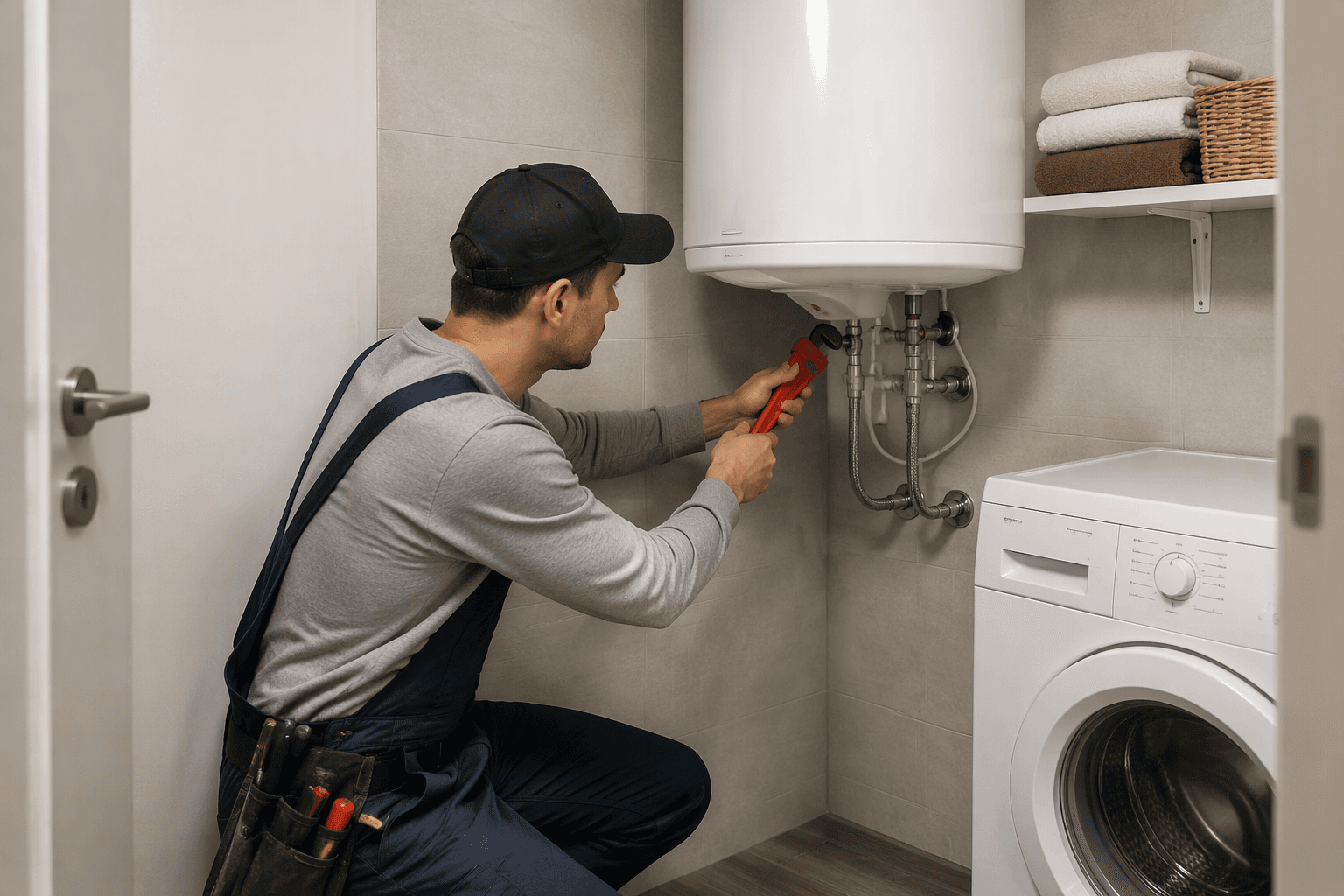
- Geysers - the national call-out: diagnosis, element/thermostat/PRV/flange repair (R3,500-R4,500), replacement (R5,000-R15,000 installed, labour-only R2,500-R2,900) and solar upgrades. Replacement is notifiable work - plan approval plus a COC. The geyser fault guide covers every failure pattern.
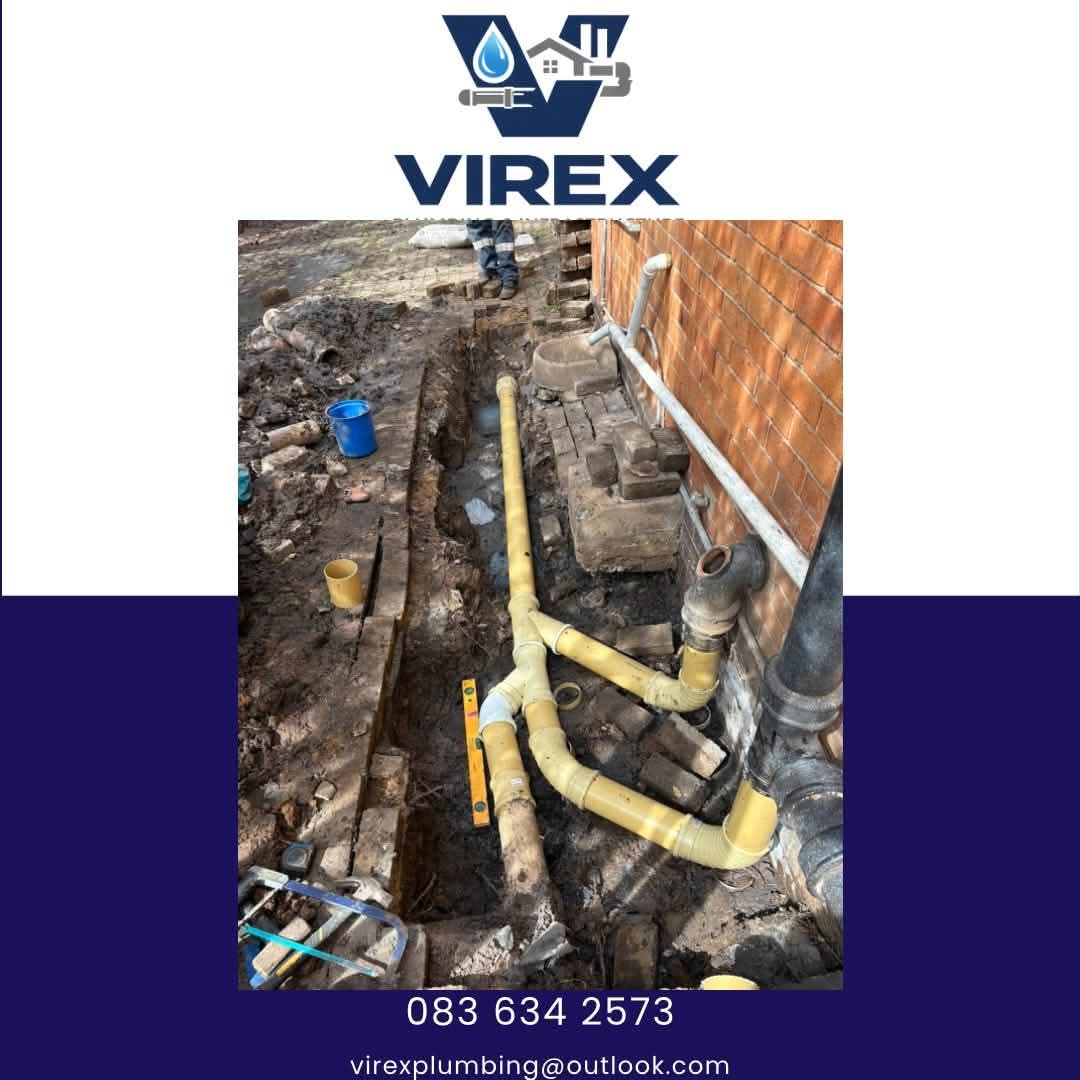
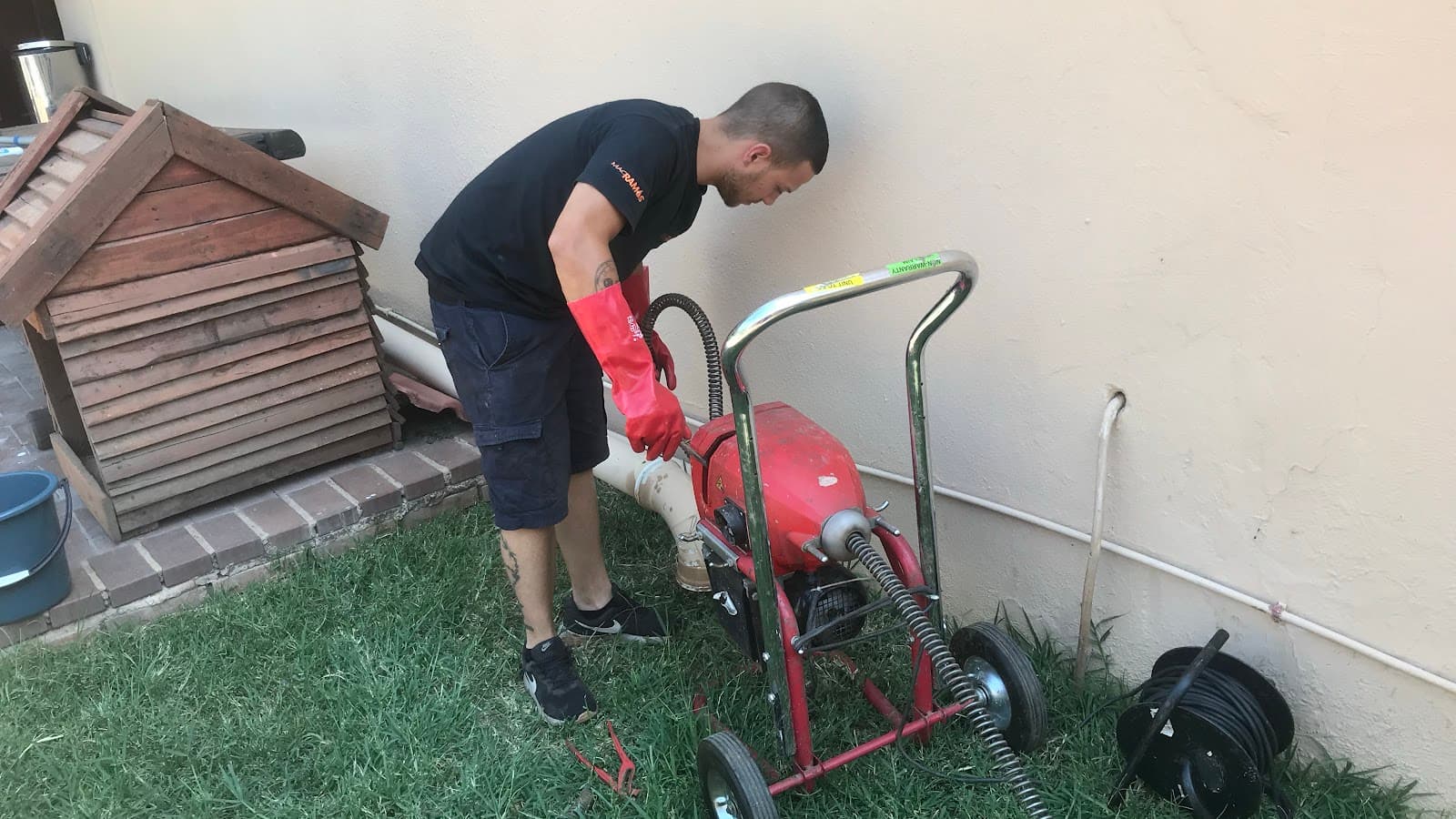
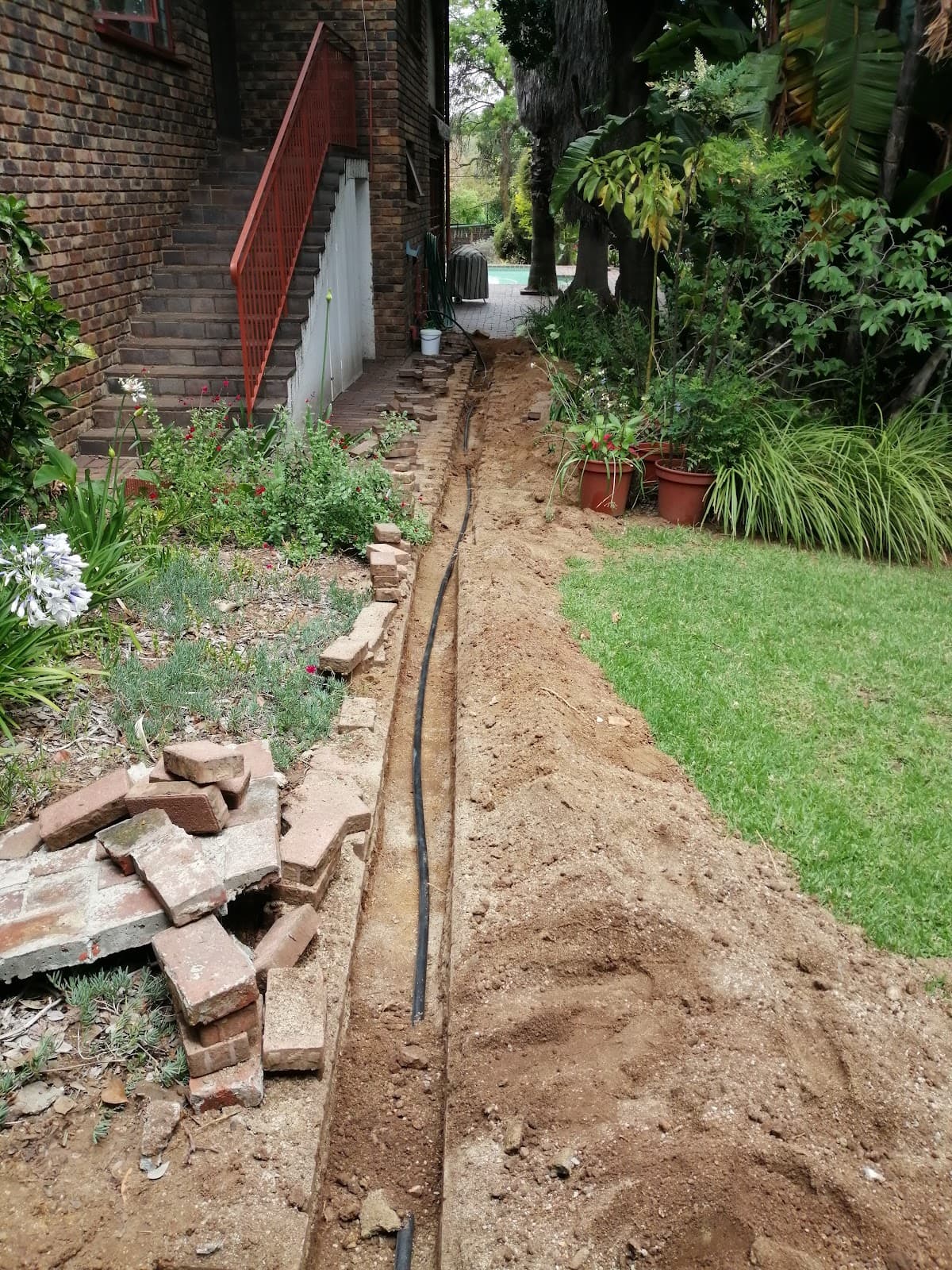
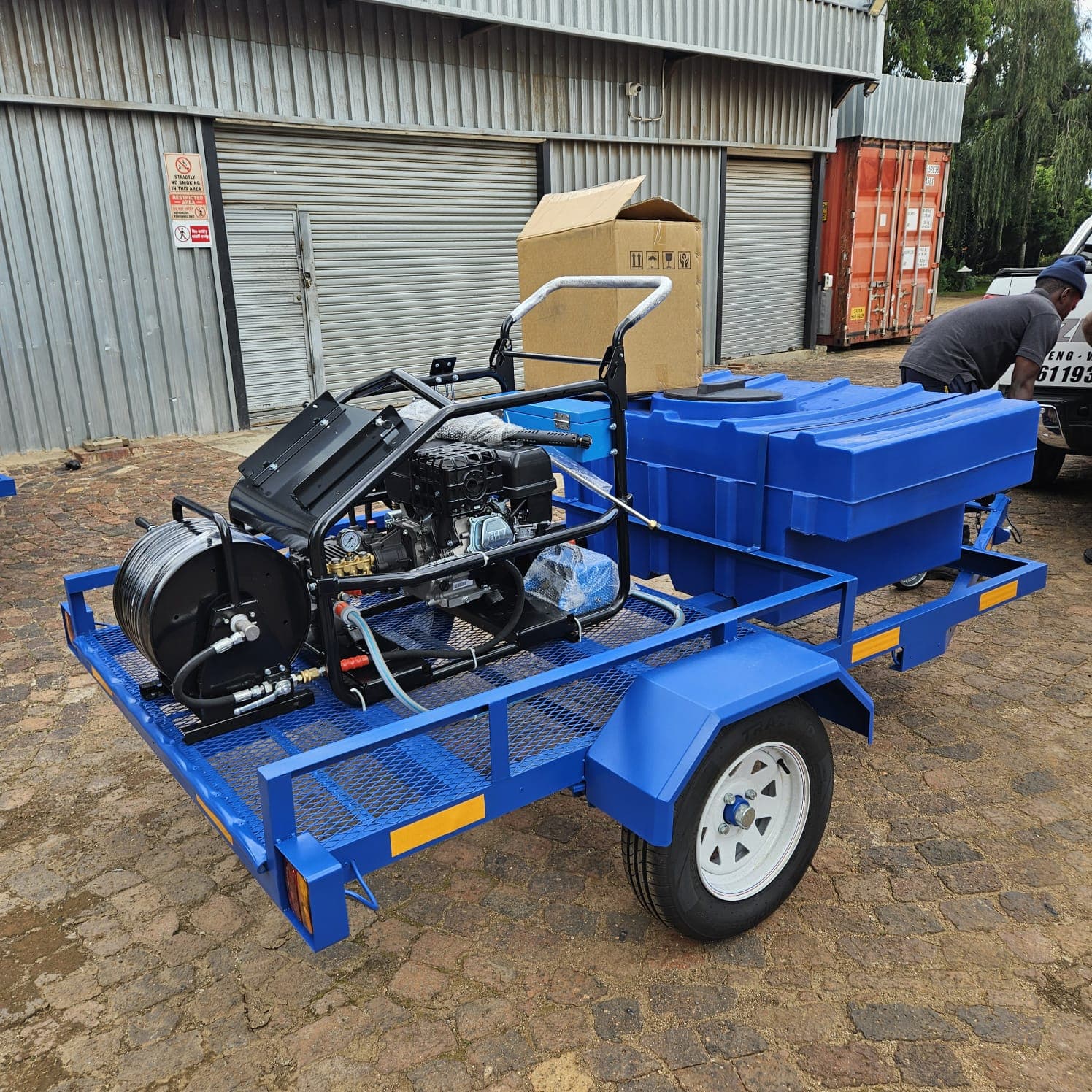
- Drains and sewers - three methods inside R500-R1,500: rodding for soft blockages, high-pressure jetting for serious ones and root incursion, and CCTV camera inspection to place the exact fault. A professional names the method before the price, and tells you when the "blocked drain" is actually the municipal trunk line.
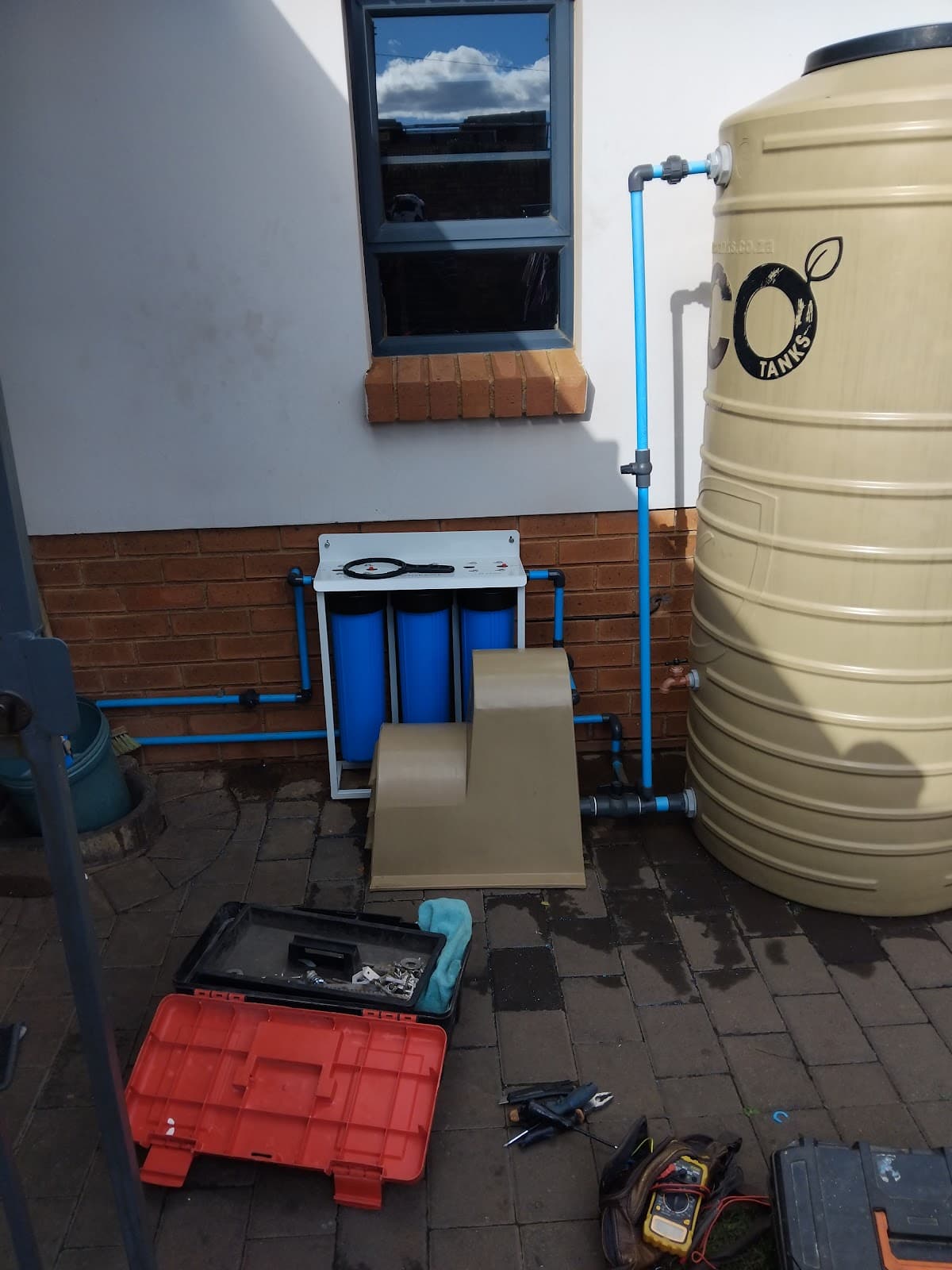
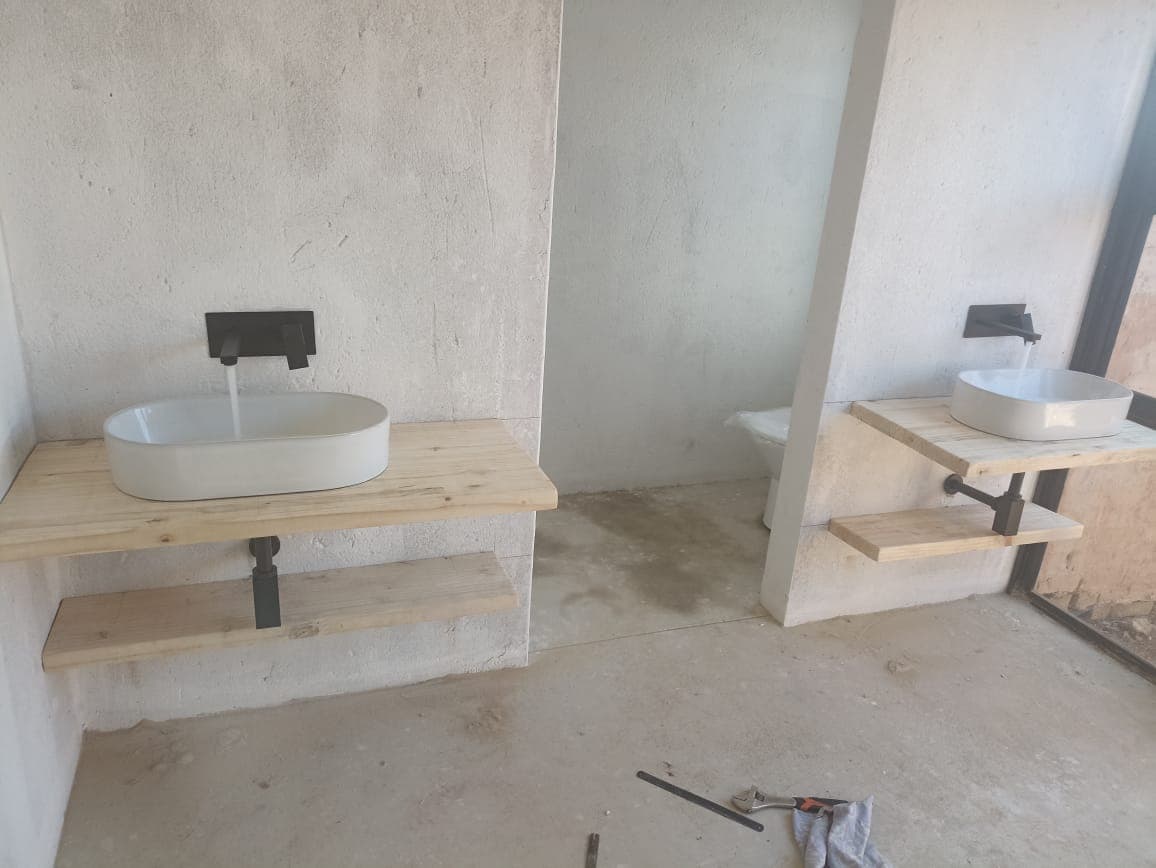
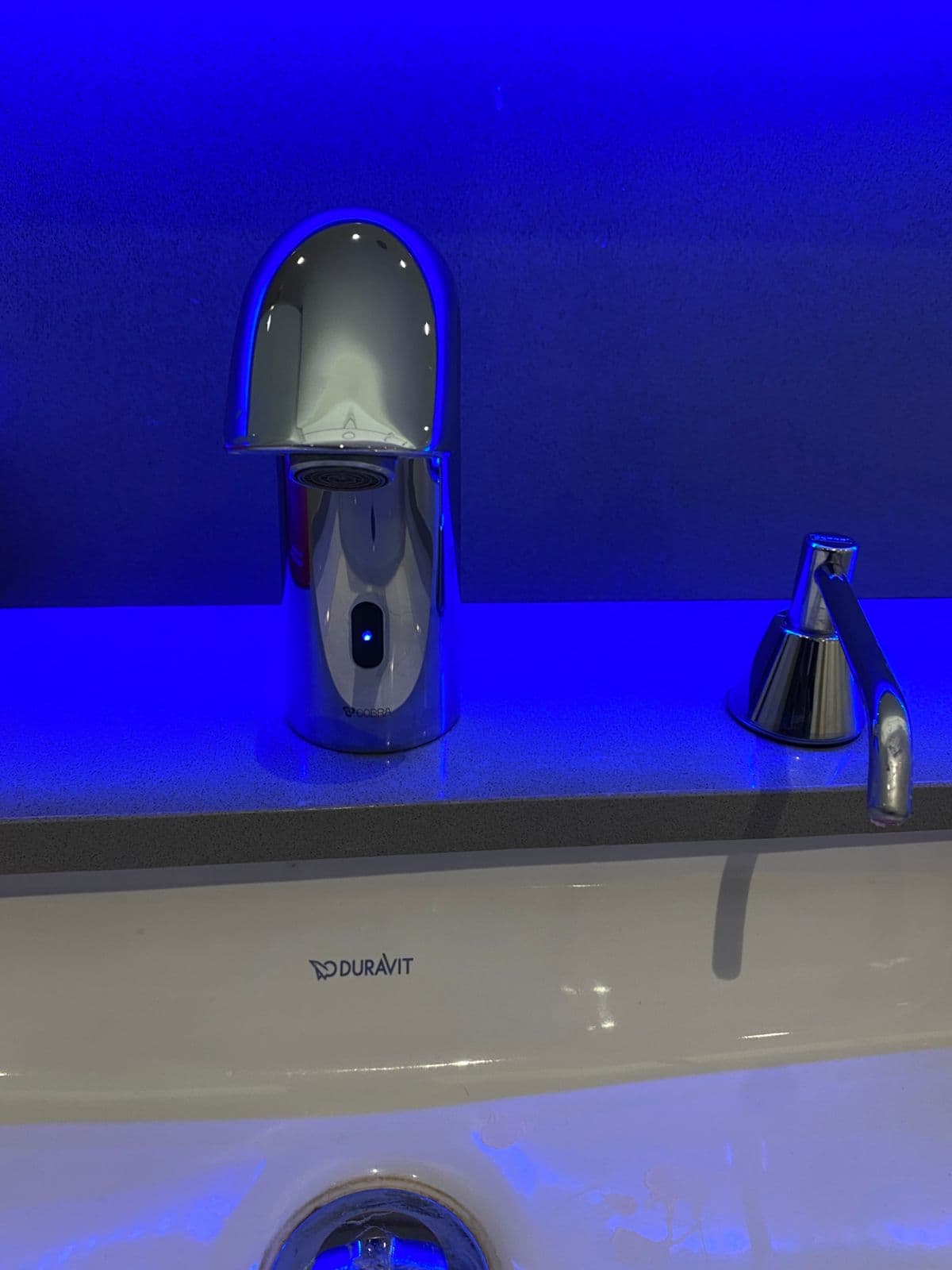
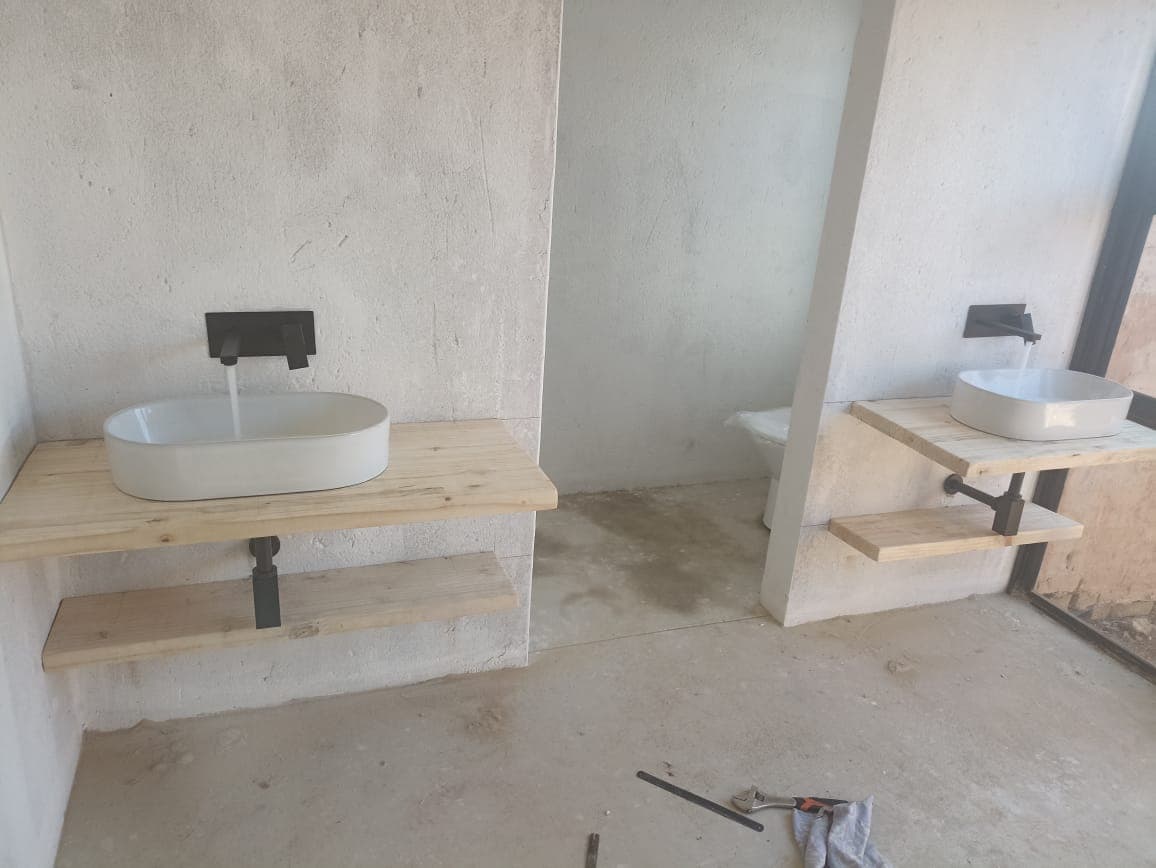
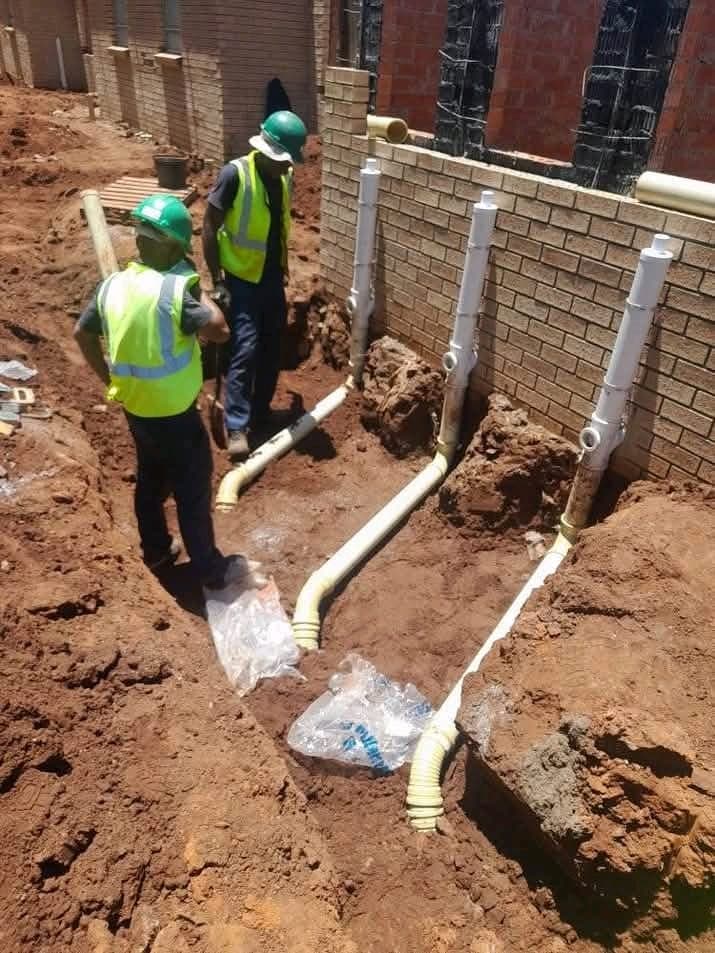
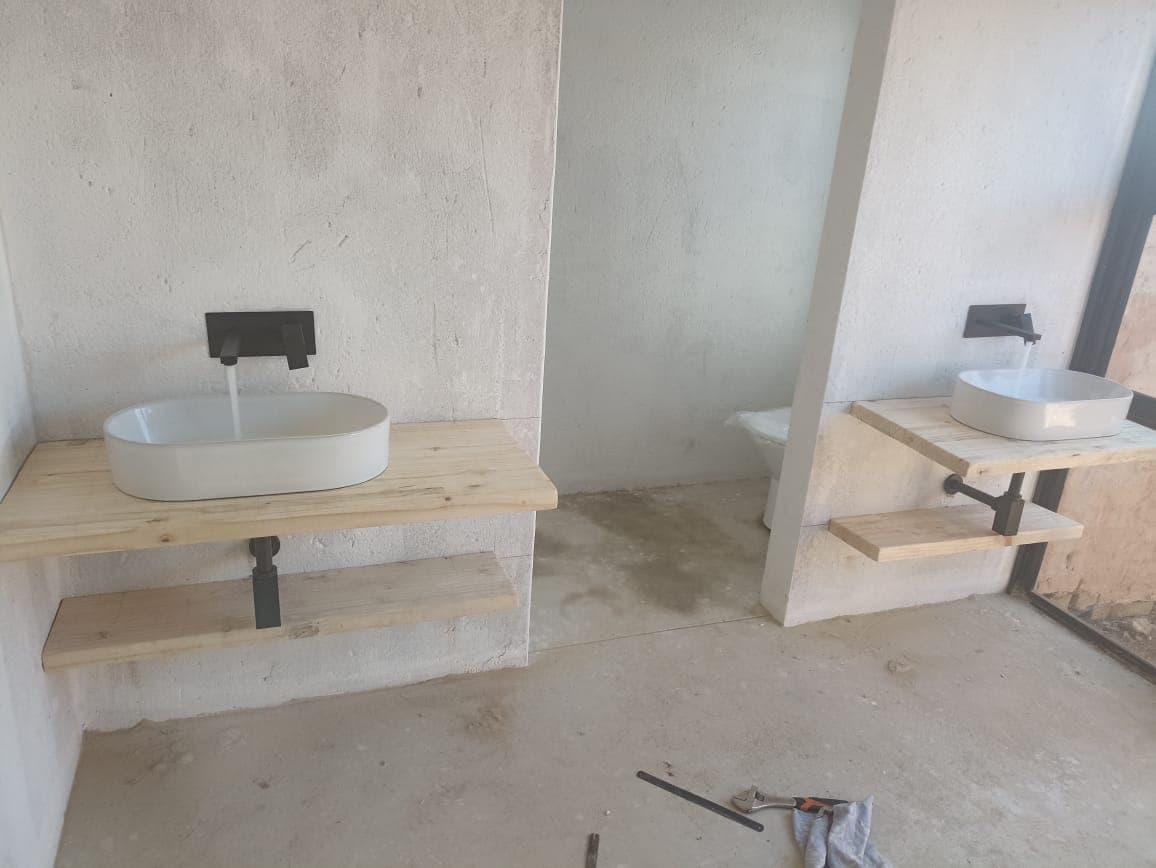
- Pipes, taps and fixtures - the everyday work: leaky taps and mixers (R500-R800 fixed), dripping valves, CPVC/PE/galvanized supply repairs. Like-for-like, no permit, and the best first test of an operator's professionalism.
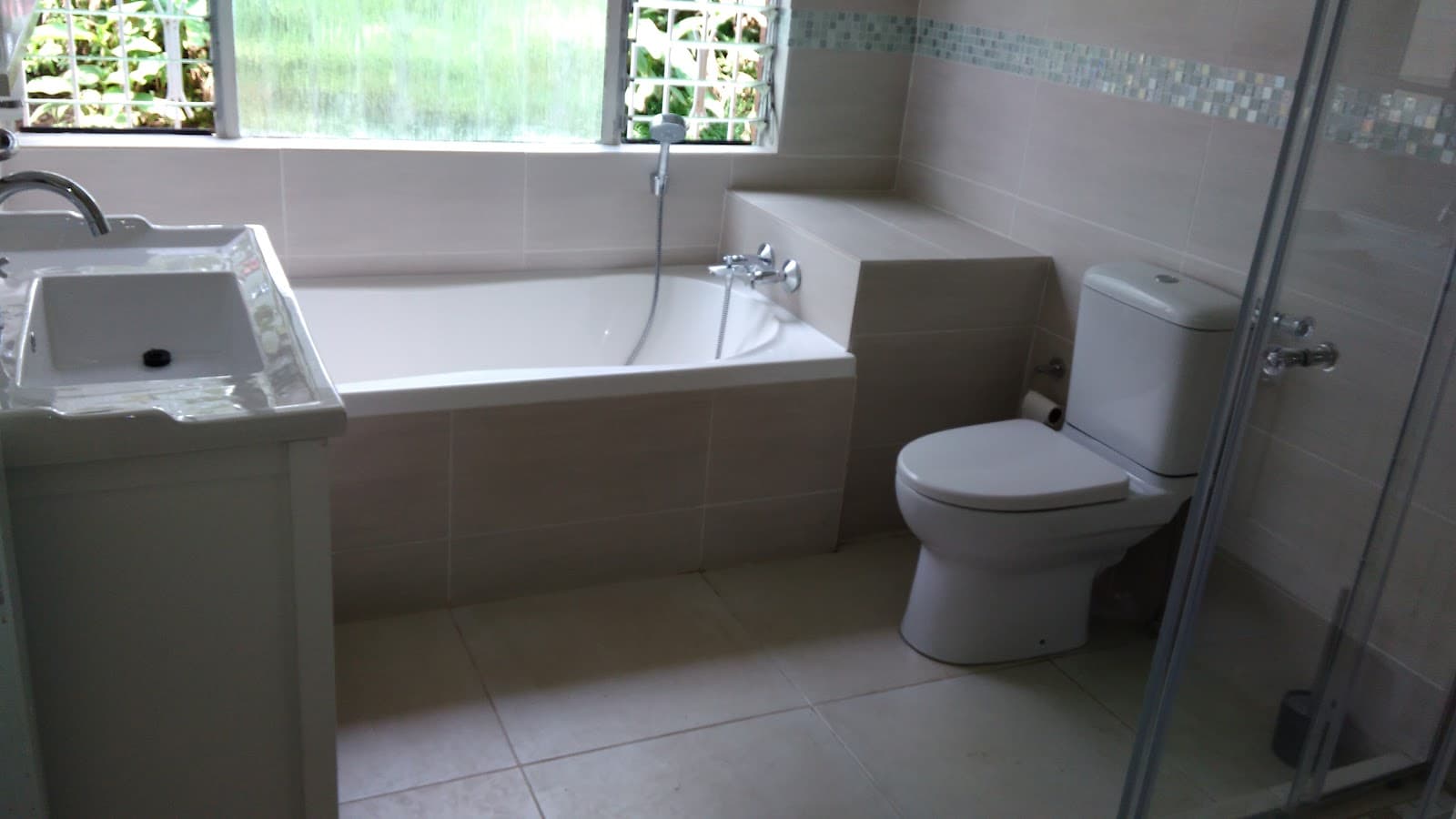
- Toilets and sanitation - running cisterns, blocked bowls, upgrades; and at the serious end, sewer backups, which switch the visit to the 24/7 emergency protocol.
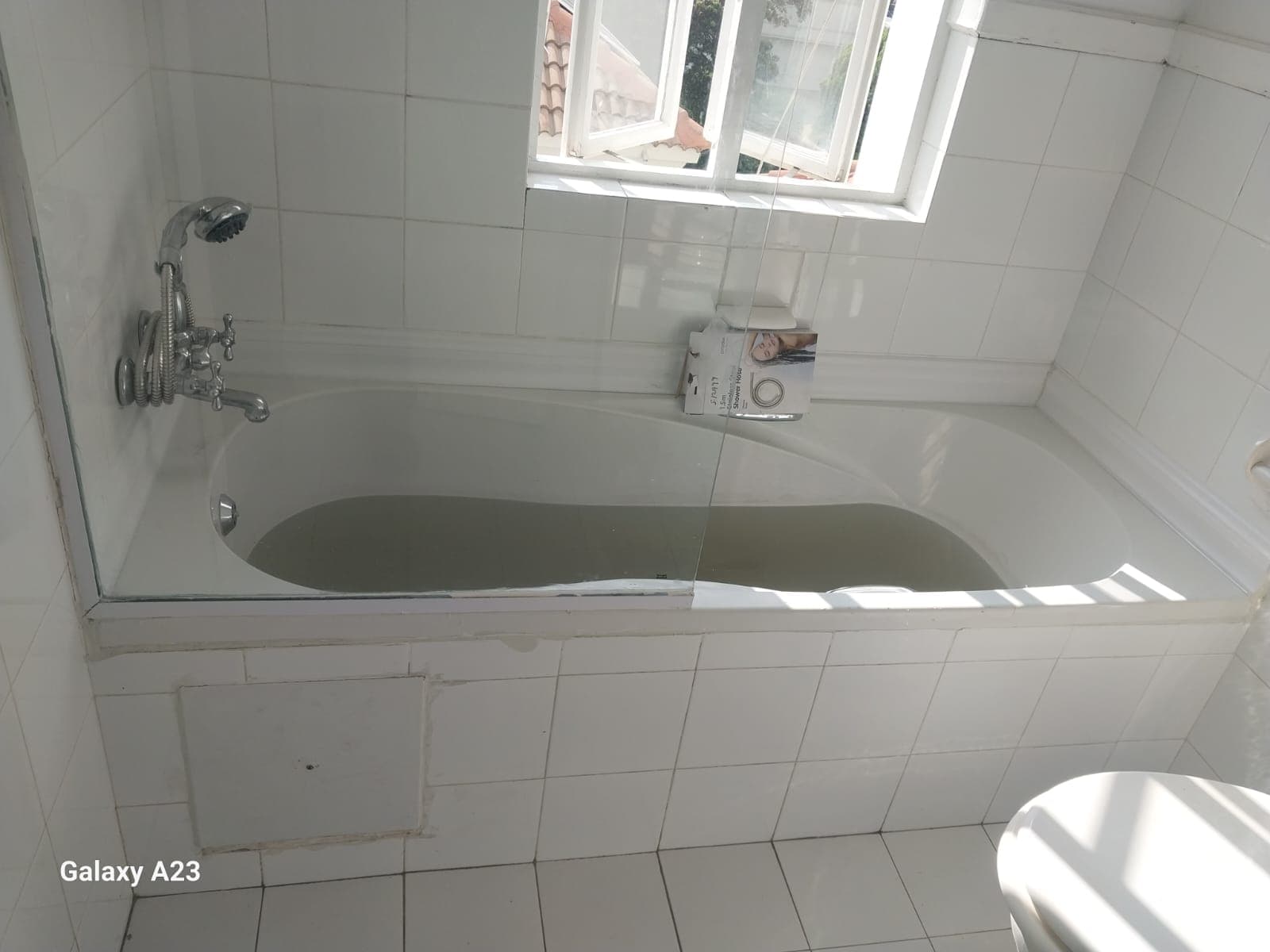
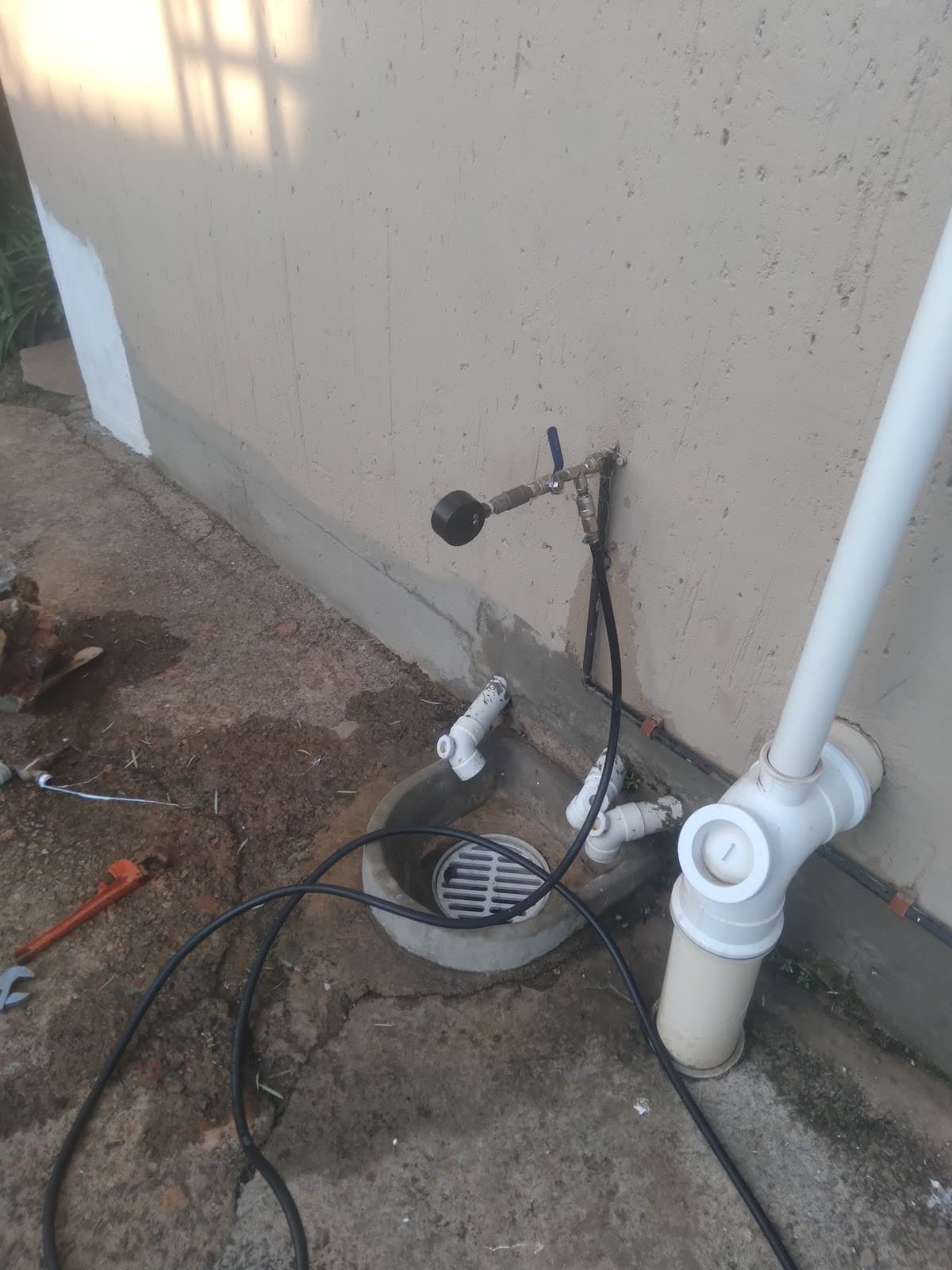
- Leak detection - acoustic correlation, thermal imaging and pressure testing for concealed leaks, billed around R600/hour; the cheapest path versus chasing the leak by hammering.
- COCs - the Certificate of Compliance your conveyancer and insurer require, issuable only by a PIRB-registered plumber; the visit doubles as a whole-house plumbing audit.
What a call-out visit looks like
- Booking and triage. You describe the fault (photos help); the operator confirms the job type and arrival window - for emergencies, the call-out terms in writing. Published emergency benchmark: about 60 minutes.
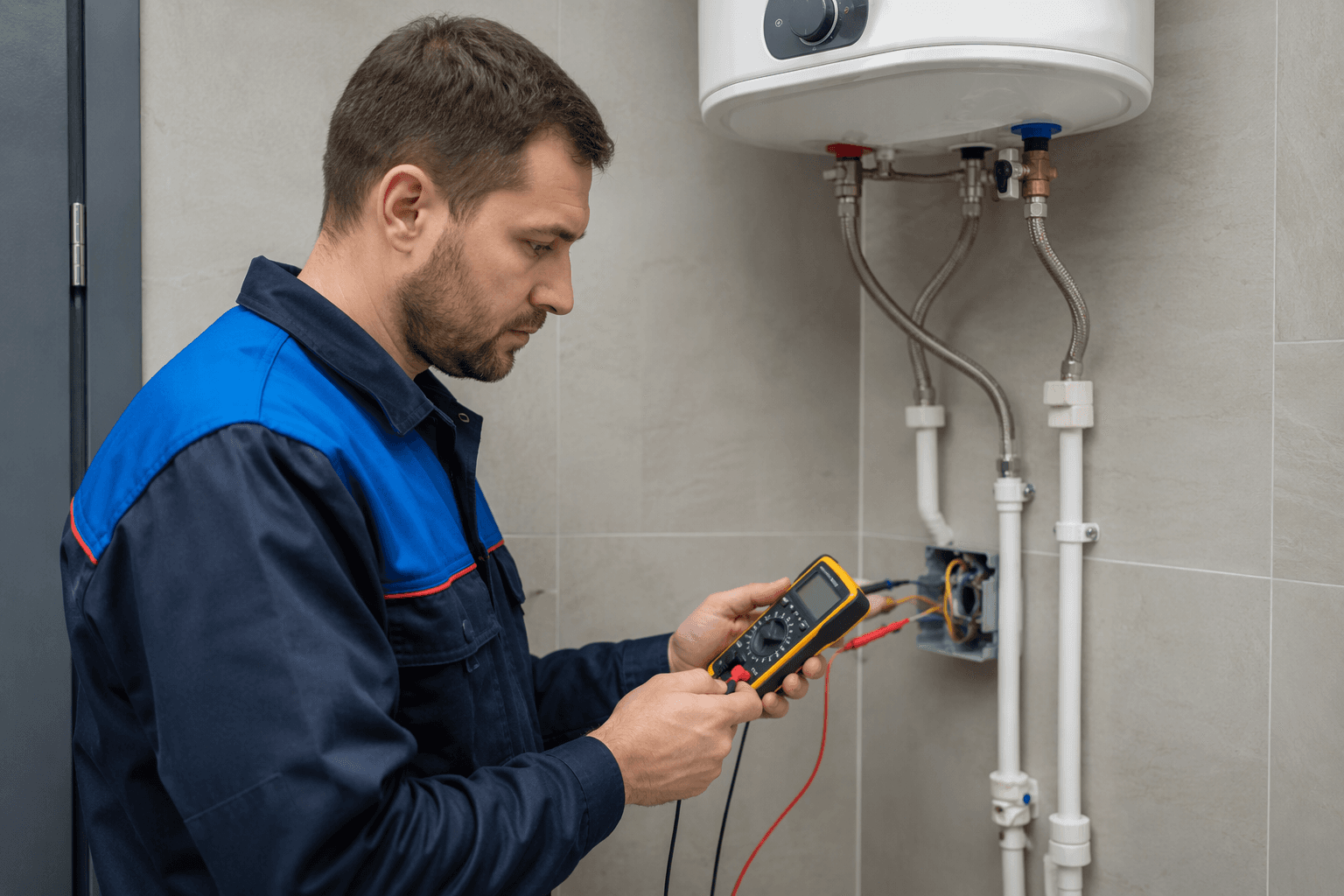
- Access and isolation first. Water jobs start by stopping the water; geyser jobs start at the distribution board. A plumber who disassembles before isolating is demonstrating exactly what you are paying to avoid.
- Diagnosis, then the honest number. Options explained and priced against the published ranges; anything that changes the scope mid-visit gets a fresh quote and your explicit go-ahead.
- The work, narrated. What is failing, why the fix is this one, what it protects - the cheapest insurance policy in plumbing.
- Test, clean, document. The system runs under real conditions, and you collect the tax invoice, the written warranty (12 months on workmanship is the baseline) and the COC where notifiable.
Geyser work: the single biggest job type
The geyser is South Africa's most repaired household plumbing item, and in Midrand it is where a plumber's full range - diagnosis, compliance, insurance - converges in one call-out. The fault spectrum runs from the gradual to the catastrophic: a unit that is "getting colder for a month" is a scaled element failing slowly; a board that trips every evening after load-shedding is a thermostat or element stressed by power cycles; a drip at the flange or under the tank is a gasket or corrosion problem that is already your ceiling's; and a tank that sounds like a boiling kettle, or simply will not heat, is past the repair line. The published ranges frame the decision: element, thermostat, PRV or flange work runs R3,500-R4,500 parts and labour included; a full replacement - unit, labour and materials - runs R5,000-R15,000, with labour-only installation of a standard unit quoted around R2,500-R2,900; and diagnosis sits inside the standard hourly band. The compliance layer is what separates this job from every other in the house: replacement is notifiable work, so the quote should name the City of Johannesburg plan approval and the COC from a PIRB-registered plumber, because the insurer's water-damage cover keys off the installation being compliant. When the replacement quote comes back, ask what the unit carries - the SABS certification mark is the minimum - and remember that the capacity choice (100L to 200L and up) is what moves the price across the range. Load-shedding is a Midrand-specific factor behind a large share of these call-outs, repeated power cycles working the element at every restoration, so a geyser that starts misbehaving during the heavier shedding phases deserves a full-system check, not a single-part swap. The fault-by-fault version, with the early warning signs, is the geyser fault and cost guide.
Drains, leaks and the diagnostic side of the trade
The other half of a Midrand plumber's call-outs is diagnostic: the job where nobody - including often the plumber at the door - can see the fault from the street. Blocked drains are the most common of these, and the published R500-R1,500 range covers three different methods: rodding for soft blockages near an access point, high-pressure jetting for serious blockages, root incursion and stormwater lines, and the CCTV camera inspection at the top, which exists to convert "I think it's the roots" into "here is the pipe, here is the fault, here are your options priced against each other". A professional names the method before the price - and tells you within ten minutes whether the blockage is on your side of the property line or the municipality's trunk, because jetting a pipe that is not yours is the most expensive waste of money in the trade. The same equipment logic runs both ways: an operator without a camera will tell you the blockage is "probably roots" and jet it anyway - paying for the top-of-range method without the diagnosis it is meant to price. Concealed water leaks are the quieter diagnostic job: a meter that creeps with every tap off is a leak billing you silently, and the non-invasive detection visit - acoustic correlation, thermal imaging, pressure testing - bills around R600/hour, which is the cheap line item compared with the ceiling it prevents. Both job types favour an operator who owns the kit: the camera truck and the detection equipment are what separate a diagnosis from a guess, and the directory's service menus show which of the forty-four operators carry them before you book. The drain clearing guide works through the method decision in full, and the storm season is when these call-outs spike - a scheduled pre-season jet is the calm, priced version of a 2 a.m. backup.
Hourly vs fixed: which pricing model applies
Hourly (R400-R900 published, average ~R600) applies to diagnostic-heavy, open-ended work: leak detection, unknown faults, commercial jobs. Fixed all-in applies to the known jobs: taps (R500-R800), drain clearing (R500-R1,500 by method), geyser element work (R3,500-R4,500), replacement (R5,000-R15,000). The discipline that protects you: a fixed quote stays fixed - a scope change is a new quote, never a line item you discover at the end - and an hourly rate is confirmed in writing before the clock starts, including whether the emergency rate applies. The full price map has every published range.
Preparing your property for the visit
- Locate the stopcock - typically at the meter, in the geyser cupboard or at the street-side meter box. Ten minutes now is an hour of flooding later.
- Clear the geyser cupboard - geyser work needs the board and isolation valves accessible.
- Estate? Send the gate instructions - code, unit number, a reachable contact, with the quote request itself.
- Photograph the fault first - the insurer will want exactly those images, and a cleaned-up scene is an unprovable claim.
- Ask the plan question up front - whether the job is notifiable, so the JDA e-building process and COC are in the plan, not discovered at handover.
Residential vs commercial
Residential plumbing runs on the call-out model above: the household is the client and the invoice follows the home. Commercial plumbing - the N1 office parks, retail nodes, estate communal systems - runs on a different clock: scheduled after-hours access windows, the body corporate or facility management as the commissioning client, site-access paperwork and credit terms. If you manage a Midrand property, shortlist from the operators who list commercial work in their service menu; the directory's service filter separates the two populations before you book.
What to check before you book
Six checks, in the order they are cheapest to do. Registration: the PIRB number, verified in two minutes on the public register - a plumber who cannot produce one has no recognised standing to practise and cannot issue the COC your property transfer or your insurer needs. Service menu: match the specialist to the fault - a geyser specialist, a drain-camera operator and a full-service fitter all count as a plumber in Midrand, but only the one who lists your job does it well. Pricing model: know before the visit whether you are buying hourly (confirm the rate, and the emergency-rate conditions, in writing before the clock starts) or fixed (a scope change is a new quote with your go-ahead, never a line you discover at the end). Reviews with patterns: the verbatim public reviews on this directory are the track record - three "arrived within the hour" comments are a pattern worth more than a one-line five-star, and the complaint that says "they came back and fixed it" is worth more than both. The documents: itemised tax invoice, written workmanship warranty (12 months on labour is the baseline) and the COC where notifiable - the paper trail is what the Consumer Protection Act lets you point to if the work is substandard. The data one: the quote request processes your name, phone and location under POPIA, and the consent step should state which matched providers receive it - if a provider will not work with the standard disclosure, you have your answer before the van leaves. The directory's pay-per-lead model keeps all six honest: requesting and receiving quotes is free and consent-based, and no operator can buy a position in the list. The full hiring playbook - the 7 steps, the questions to ask and the red flags that should end the conversation - is the step-by-step guide to hiring plumbers in Midrand.
Why "registered" matters
A registered plumber's work carries the COC pathway - what your conveyancer asks for at transfer, your insurer expects after a claim, and your body corporate requires for communal work. The warranty is issued by a business with formal standing behind it, and when the job goes wrong, the registration is the thread that pulls the whole accountability chain together. The two-minute check at pirb.co.za is the cheapest compliance purchase in the house. Demand in the area also follows two rhythms worth knowing: the winter storm season spikes drain and stormwater call-outs (a pre-season jet in May is the cheap version of that problem), and load-shedding shortens geyser life - so the annual geyser system check on an eight-year-old unit is the insurance policy cheaper than the 2 a.m. call-out. Describe the job, set the timing, and send it to the matched plumbers - or the single pro you have already chosen.
How this guide was researched
This guide was compiled by the directory's research team from public sources accessed on 30 September 2026 and reviewed against the standards the claims depend on: PIRB registration and the public register, the IOPSA professional body, SANS 10400-H and the plumbing codes published through SABS, the Consumer Protection Act 68 of 2008, and the City of Johannesburg's building-permit process. Every price in it is a published benchmark or a provider-published figure - none were invented, and the categories with no published benchmark are left without one. The directory is independently operated, with no affiliation to any listed provider, and the pay-per-lead model means no operator can buy a position in it. If a fact here does not match what you see on the ground, the correction belongs with the sources, not with the narrative - and that is a check you can run yourself using the links below.
Sources & references
Accessed 30 September 2026. Price figures are the published benchmarks cited in this guide.
- Published hourly rates for plumbers (ProCompare)
- Recent Midrand plumbing jobs and prices (ProCompare)
- Published drain and leak-detection rates (Plumber Rates)
- A Midrand operator's published service and pricing page
- The PIRB public register, for the two-minute check
- SANS plumbing installation standards (SABS)
- The Consumer Protection Act, 68 of 2008
Four minutes, no obligation, itemised quotes back on one screen - and a set of benchmarks, a register and a paper trail that turn the visit into an enforceable one. That is what a plumber in Midrand is for.